Wisdom Teeth Removal: Signs You Need It and Recovery Tips
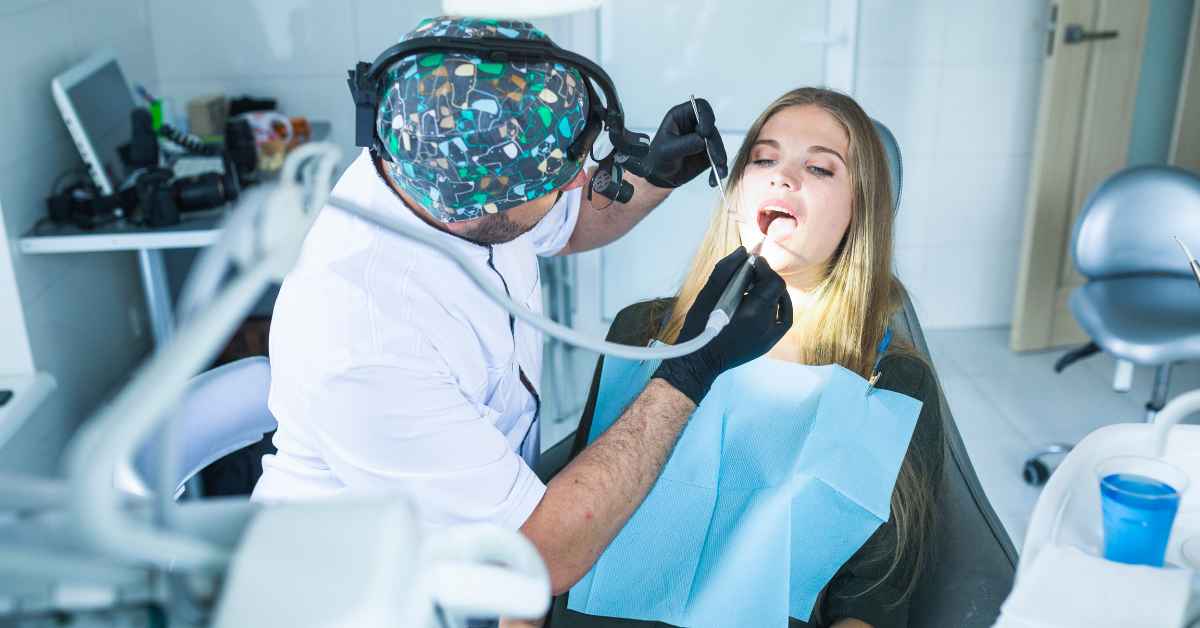
Wisdom teeth removal is one of the most common dental procedures, yet many people are unsure whether they actually need it or what the recovery process involves. Wisdom teeth, also known as third molars, usually appear between the ages of 17 and 25. While some people never experience problems, others develop pain, infection, or crowding that makes removal necessary.
Understanding the signs that wisdom teeth may need to be removed and knowing what to expect after the procedure can help you make confident, informed decisions about your oral health.
What Are Wisdom Teeth and Why Do They Cause Problems?
Wisdom teeth are the last permanent teeth to emerge, located at the very back of the mouth. In many cases, there simply isn’t enough space for them to grow properly. When this happens, wisdom teeth may become impacted (trapped under the gum or bone) or erupt at an awkward angle.
Problematic wisdom teeth can be difficult to clean, increasing the risk of tooth decay, gum disease, and infection. Even wisdom teeth that don’t cause immediate pain can still lead to issues over time, which is why dentists often recommend monitoring or early removal.
Common Signs You May Need Wisdom Teeth Removal
Not everyone with wisdom teeth needs them removed, but there are several warning signs that suggest extraction may be the best option.
Persistent Pain or Discomfort
Ongoing pain at the back of the jaw is one of the most common signs. This discomfort may come and go or worsen when chewing.
Swollen or Bleeding Gums
Red, swollen, or bleeding gums around the wisdom teeth can indicate infection or inflammation, often caused by trapped food and bacteria.
Jaw Stiffness or Difficulty Opening Your Mouth
Impacted wisdom teeth can place pressure on surrounding structures, leading to jaw tightness or limited movement.
Repeated Infections or Bad Breath
If you notice a bad taste in your mouth or persistent bad breath despite good oral hygiene, it may be due to infection around partially erupted wisdom teeth.
Crowding or Shifting Teeth
Wisdom teeth can push against nearby teeth, potentially affecting alignment, especially if you’ve had orthodontic treatment in the past.
Cysts or Damage Seen on X-Rays
Sometimes, wisdom teeth cause problems without obvious symptoms. Dental X-rays can reveal cysts, bone damage, or decay affecting nearby teeth.
Is It Better to Remove Wisdom Teeth Early?
Many dental professionals recommend removing wisdom teeth before they cause serious problems. Early removal, often in the late teens or early twenties, can mean:
- Easier extraction
- Faster healing
- Lower risk of complications
- Less impact on surrounding teeth and bone
That said, every case is different. A dentist will assess your wisdom teeth using clinical examination and X-rays to determine whether removal is necessary.
What Happens During Wisdom Teeth Removal?
Wisdom teeth extraction is a routine procedure performed by an experienced dentist. Depending on the position of the teeth and your comfort level, the procedure may be done under local anaesthetic, sedation, or general anaesthetic.
During the procedure:
- The area is numbed to prevent pain
- The tooth is gently loosened and removed
- Stitches may be placed if needed
Most procedures are completed within a short time, and patients are able to go home the same day.
Wisdom Teeth Removal Recovery: What to Expect
Recovery after wisdom teeth removal varies from person to person, but most people feel significantly better within a few days.
Typical Recovery Timeline
- First 24–48 hours: Swelling, mild bleeding, and discomfort are normal
- Days 3–5: Swelling begins to reduce, pain becomes manageable
- 1 week: Most daily activities can resume comfortably
- 2 weeks: Gums continue to heal, with minimal discomfort
Helpful Recovery Tips
Manage Swelling and Pain
Apply a cold compress to the outside of your face for the first 24 hours and take prescribed or recommended pain relief as directed.
Follow a Soft Food Diet
Stick to soft foods such as yoghurt, soup, mashed vegetables, and smoothies. Avoid hard, crunchy, or spicy foods during early healing.
Keep the Area Clean
Avoid rinsing vigorously for the first 24 hours. After that, gently rinse with warm salt water to keep the area clean and reduce infection risk.
Avoid Smoking and Straws
Smoking and using straws can dislodge the blood clot and cause a painful condition known as dry socket.
Rest and Take It Easy
Give your body time to heal by avoiding strenuous activity for a few days.
When Should You See a Dentist?
If you’re experiencing pain, swelling, or repeated infections around your wisdom teeth, it’s important to seek professional advice. Even if you’re not in pain, regular dental check-ups and X-rays can help identify potential problems early.
Making the Right Decision for Your Oral Health
Wisdom teeth removal is often a preventative step to protect your long-term oral health. Recognising the signs early and understanding the recovery process can make the experience far less stressful.
If you’re concerned about your wisdom teeth or have been advised to consider removal, a consultation with your dentist can help determine the best approach for your individual needs ensuring comfort, safety, and a smooth recovery.
Frequently Asked Questions
Q1: How do I know if my wisdom teeth need to be removed?
Common signs include pain at the back of the mouth, swollen or bleeding gums, jaw stiffness, bad breath, or repeated infections around the wisdom teeth. A dentist can confirm whether removal is needed using an examination and dental X-rays.
Q2: At what age are wisdom teeth usually removed?
Wisdom teeth are commonly removed between ages 17 and 25, when they first begin to emerge. Removal at a younger age often leads to easier procedures and faster healing.
Q3: Is wisdom teeth removal painful?
The procedure itself is not painful because it is performed under local anaesthetic, sedation, or general anaesthetic. Some mild discomfort and swelling after the surgery are normal and usually improve within a few days.
Q4: How long does it take to recover from wisdom teeth removal?
Most people recover within 3 to 7 days, although full gum healing may take a couple of weeks. Swelling and discomfort typically reduce after the first few days.
Q5: What foods can I eat after wisdom teeth removal?
Soft foods such as yoghurt, soup, mashed potatoes, smoothies, and scrambled eggs are recommended during the first few days. Avoid hard, crunchy, or spicy foods until the area has healed.
Q6: When should I see a dentist about my wisdom teeth in Chatswood?
If you experience pain, swelling, difficulty opening your mouth, or repeated infections near your wisdom teeth, it’s best to see a dentist for an evaluation. A dental clinic in Chatswood can assess your wisdom teeth and recommend whether monitoring or removal is the right option.