Root Canal Therapy
Root canal therapy in Chatswood is a dental treatment used to save a tooth affected by infection or inflammation inside the pulp. The procedure removes infected tissue, cleans and disinfects the root canals, and seals the tooth to prevent reinfection, relieving pain while preserving natural teeth and long-term oral health.
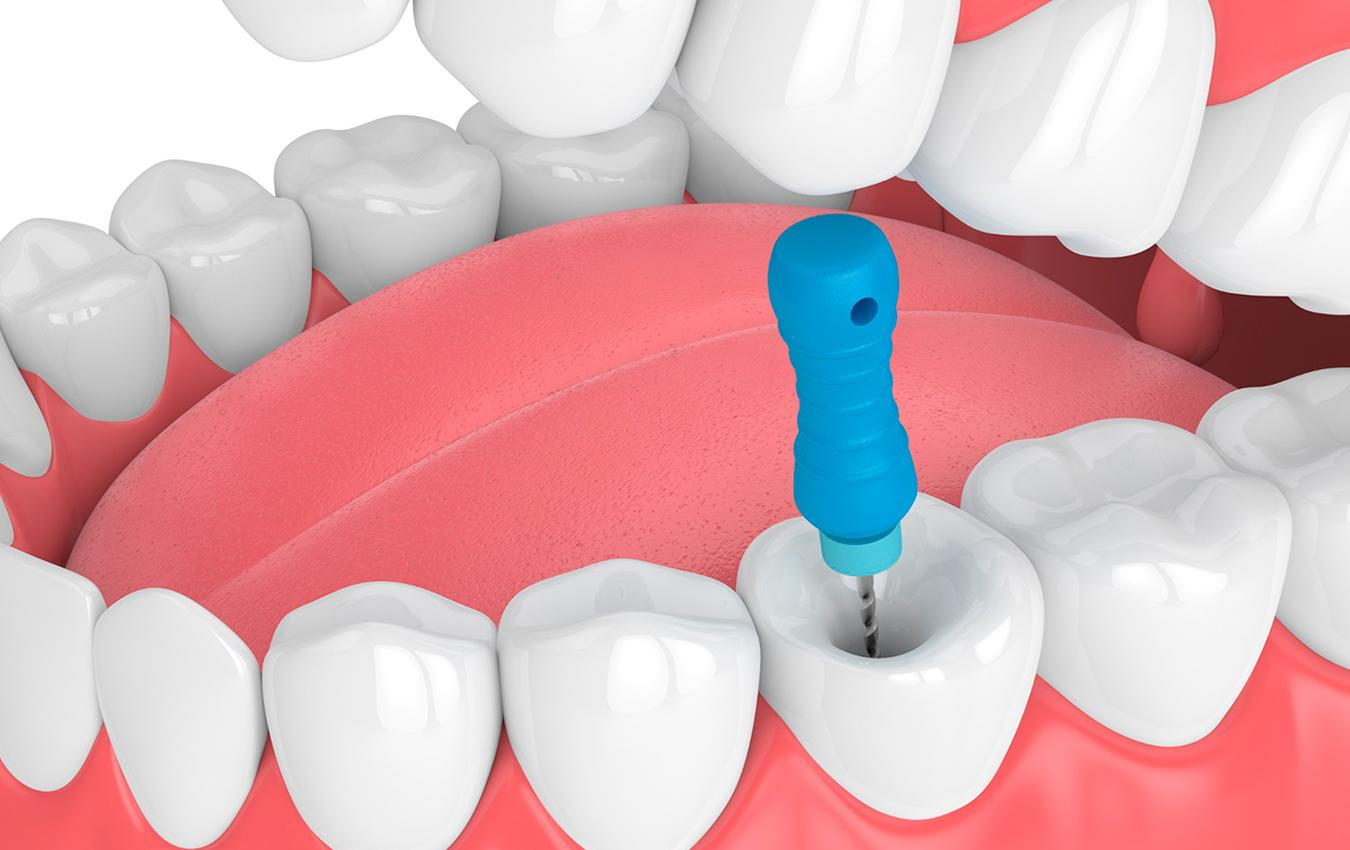
Root Canal Therapy in Chatswood
Root canal therapy is a proven dental treatment used to save a tooth that is infected or inflamed from the inside. When bacteria reach the tooth’s pulp due to deep decay, cracks, trauma, or previous dental work, it can cause significant pain, swelling, and infection. Without treatment, the infection may spread, leading to abscesses, bone damage, or tooth loss.
Root canal therapy removes the infected tissue, thoroughly cleans and disinfects the canals, and seals the tooth to prevent future infection. At our Chatswood dental clinic, we use advanced digital diagnostics and gentle techniques to make root canal treatment comfortable, precise, and highly successful with the goal of preserving your natural tooth whenever possible.
Why Root Canal Therapy Is Needed
Root canal treatment is recommended when the inner pulp of a tooth becomes infected or inflamed. This commonly occurs due to:
- Deep tooth decay or large fillings
- Cracked, chipped, or fractured teeth
- Dental trauma
- Repeated procedures on the same tooth
- Infection spreading from advanced gum disease
Common symptoms include persistent toothache, sensitivity to hot or cold, pain when biting, swelling of the gums or face, or a tooth that becomes darker in colour. In some cases, infection may be present without obvious pain, which is why early assessment is important.
Treating the problem early helps stop infection from spreading, relieves discomfort, and avoids the need for tooth extraction.
What to Expect During Root Canal Treatment
Our Chatswood dentists follow a clear, step-by-step digital workflow designed to keep you comfortable and informed at every stage:
- Assessment & digital X-rays to accurately diagnose the infection
- Local anaesthetic to ensure a pain-free experience
- Removal of infected pulp from inside the tooth
- Cleaning and shaping of the root canals
- Thorough disinfection to eliminate bacteria
- Sealing the tooth to prevent reinfection
- Crown placement (if needed) to restore strength and protect the tooth
Most patients are surprised by how comfortable modern root canal therapy feels and how quickly pain relief begins after treatment.
Benefits of Root Canal Therapy
- Root canal therapy offers long-term benefits for both oral health and comfort:
- Relieves pain and infection
- Preserves your natural tooth
- Restores normal chewing and bite function
- Prevents infection from spreading to other teeth
- Avoids extraction and more complex replacement treatments
- Maintains natural appearance and smile balance
- Delivers long-lasting results with proper care
- Saving your natural tooth helps protect jawbone health and reduces the need for future dental procedures.
Root Canal Therapy at Our Chatswood Dental Clinic
Our approach to root canal therapy focuses on precision, comfort, and reassurance. We use modern dental technology, gentle techniques, and personalised care to ensure excellent outcomes. Whether you are experiencing sudden tooth pain, sensitivity, or signs of infection, our Chatswood dental team is equipped to diagnose and treat the issue efficiently.
We also provide clear aftercare guidance and follow-up support, helping you heal smoothly and maintain long-term oral health.
Book a Root Canal Consultation in Chatswood
If you’re experiencing tooth pain, swelling, or sensitivity or if a dentist has advised you may need root canal treatment early care can prevent serious complications.
Book your root canal consultation in Chatswood today to receive expert assessment, gentle treatment, and long-term protection for your natural smile.
Your Sunrise Dental Chatswood Principal Dentist
Dr William Yiu
Dr William Yiu graduated with degrees in Bachelor of Medical Science from UNSW and Doctor of Dental Surgery from Melbourne University, and most recently Graduate Diploma of Dental Implantology. He is fluent in both Mandarin and Cantonese.
His vision is to provide cost effective, comprehensive and individualised dental treatment for his patients. With his caring and gentle nature, he treats everyone to the highest of standards. He is readily able to connect with new patients from different ethnic backgrounds. He has worked as a dental officer at the Oral and Maxillofacial Surgery Department of the first university affiliated hospital and has gained extensive experience in oral surgery – this includes the removal of wisdom teeth and implant placement therapy.

General FAQs
A root canal is a dental treatment that removes infected or inflamed pulp from inside a tooth to save it from extraction. The pulp contains nerves and blood vessels, and when it becomes infected due to deep decay, repeated dental procedures, or injury, it can cause severe pain, swelling, or abscesses. A root canal eliminates the infection, prevents it from spreading, and allows the tooth to be preserved and restored to normal function.
No, a root canal is not typically painful because it is performed under local anaesthetic, much like a filling. During the procedure, you may feel pressure but not pain. Some sensitivity or mild discomfort can occur for a few days afterward, but this is usually manageable with over-the-counter pain relief. In fact, the treatment’s main purpose is to relieve the severe pain caused by infection or damage inside the tooth.
A root canal usually takes 30 to 90 minutes, depending on the tooth and the complexity of the infection. Front teeth with a single root are quicker to treat, while molars with multiple roots may take longer. Most cases are completed in one or two appointments, though some complex situations may require additional visits.
You may need a root canal if you experience severe tooth pain, lingering sensitivity to hot or cold, swollen or tender gums, a chipped or cracked tooth, or tooth discoloration. Other warning signs include pain when chewing, a pimple-like bump on the gums, or a loose tooth. If you notice any of these symptoms, it’s important to see your dentist promptly for evaluation.
A tooth that has had a successful root canal can last a lifetime when properly restored and cared for. Most treated teeth last at least 10 years, and many can last indefinitely with good oral hygiene, regular dental check-ups, and quality restorations. Factors like oral care habits and the type of restoration used can influence longevity.