Tooth Sensitivity: Common Causes and Best Treatments
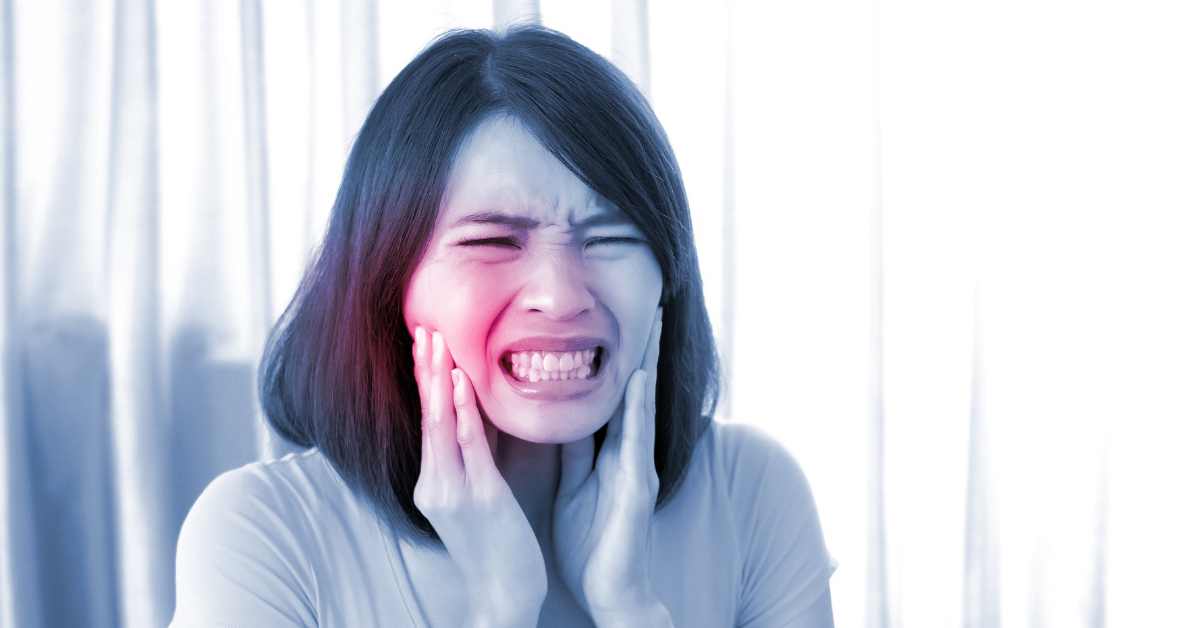
That sharp twinge when you sip hot coffee or bite into something cold can be more than just annoying it’s often a sign of tooth sensitivity. Tooth sensitivity is a very common dental concern, affecting people of all ages, and it can range from mild discomfort to sudden, intense pain.
Understanding why your teeth are sensitive is the first step toward finding the right treatment and preventing the problem from getting worse.
What Is Tooth Sensitivity?
Tooth sensitivity occurs when the protective outer layers of the tooth are compromised, exposing the inner layer called dentine. Dentine contains tiny tubules that connect directly to the tooth’s nerve. When exposed, heat, cold, sweet, or acidic foods can trigger nerve pain.
Sensitivity is not a condition on its own it’s usually a symptom of an underlying issue that needs attention.
Common Causes of Tooth Sensitivity
Worn Tooth Enamel
Enamel is the hard, protective surface of your teeth. Over time, it can wear down due to:
- Aggressive brushing
- Using a hard-bristled toothbrush
- Frequent consumption of acidic foods and drinks
- Teeth grinding (bruxism)
When enamel thins, the dentine underneath becomes more exposed, increasing sensitivity.
Gum Recession
Receding gums expose the tooth roots, which are not protected by enamel. This is a common cause of sensitivity, especially in adults.
Gum recession can be linked to:
- Gum disease
- Overbrushing
- Poor oral hygiene
- Age-related changes
Exposed roots are particularly sensitive to temperature changes and touch.
Tooth Decay or Cavities
Cavities can create small openings in the tooth that allow stimuli to reach the nerve. Sensitivity caused by decay may initially feel mild but often worsens over time if left untreated.
Early treatment with dental fillings can prevent deeper infection and more complex procedures.
Cracked or Chipped Teeth
Small cracks or chips may not always be visible, but they can expose the inner layers of the tooth. Sensitivity from cracks is often triggered when chewing or biting down and may come and go.
Recent Dental Treatments
It’s normal to experience temporary sensitivity after certain dental procedures, such as:
- Teeth whitening
- Dental fillings
- Crowns or veneers
- Scaling and deep cleaning
This type of sensitivity usually settles within a few days to a couple of weeks as the tooth recovers.
Teeth Grinding (Bruxism)
Grinding or clenching your teeth, often during sleep, can wear down enamel and place stress on teeth. Over time, this can lead to sensitivity, jaw pain, and increased risk of fractures.
Best Treatments for Tooth Sensitivity
The right treatment depends on the cause of your sensitivity. A dental assessment is essential to determine the most effective approach.
Desensitising Toothpaste
For mild sensitivity, desensitising toothpaste can help block pain signals to the nerve over time. Consistent use is key results typically improve after a few weeks.
Fluoride Treatments
Professional fluoride applications help strengthen enamel and reduce sensitivity. These treatments can be applied in the clinic and may also be recommended as part of your at-home care routine.
Dental Fillings or Restorations
If sensitivity is caused by decay, cracks, or worn areas, fillings or other restorations can seal exposed dentine and restore the tooth’s structure.
Gum Treatment
When gum recession or gum disease is the cause, periodontal treatment may be required. This can include deep cleaning, maintenance therapy, or other treatments to support gum health and protect exposed roots.
Dental Crowns or Bonding
For severely worn or damaged teeth, crowns or bonding can provide full coverage and long-term protection, significantly reducing sensitivity.
Nightguards for Teeth Grinding
If grinding is contributing to sensitivity, a custom-fitted nightguard can protect your teeth while you sleep and prevent further enamel wear.
What You Can Do at Home to Reduce Sensitivity
Alongside professional treatment, small changes at home can make a big difference:
- Use a soft-bristled toothbrush
- Brush gently using proper technique
- Avoid excessive acidic foods and drinks
- Rinse with water after consuming acidic items
- Don’t brush immediately after acidic meals
- Wear a nightguard if recommended
These habits help protect enamel and reduce irritation to sensitive teeth.
When to See a Dentist About Tooth Sensitivity
Occasional mild sensitivity can be normal, but you should see a dentist if:
- Sensitivity is persistent or worsening
- Pain is sharp or severe
- Sensitivity affects one specific tooth
- You experience pain when biting or chewing
- Sensitivity is accompanied by swelling or bleeding gums
Early assessment can prevent more serious dental issues and reduce the need for complex treatment later.
Tooth sensitivity is often manageable and in many cases, completely treatable once the underlying cause is identified. With the right care, professional guidance, and preventive habits, you can enjoy your favourite foods and drinks again without discomfort and protect your teeth for the long term.
Frequently Asked Questions
Q1: Why are my teeth suddenly sensitive to hot or cold foods?
Sudden tooth sensitivity can occur when enamel wears down or gums recede, exposing the inner dentine layer of the tooth. This allows temperature changes from hot or cold foods and drinks to reach the nerve more easily.
Q2: Can tooth sensitivity go away on its own?
Mild sensitivity may improve with better oral hygiene and the use of desensitising toothpaste. However, persistent sensitivity may indicate issues such as enamel wear, cavities, or gum recession that require dental treatment.
Q3: What toothpaste is best for sensitive teeth?
Dentists often recommend desensitising toothpaste designed for sensitive teeth. These products help block pain signals from the tooth surface to the nerve and can reduce sensitivity when used consistently.
Q4: Can teeth whitening cause tooth sensitivity?
Yes. Temporary sensitivity is common after professional or at-home teeth whitening treatments. This usually improves within a few days once the teeth recover.
Q5: How can I reduce tooth sensitivity at home?
Using a soft-bristled toothbrush, brushing gently, limiting acidic foods and drinks, and using desensitising toothpaste can help reduce sensitivity. Avoid brushing immediately after consuming acidic foods.
Q6: When should I see a dentist about sensitive teeth in Chatswood?
If tooth sensitivity is severe, persistent, or affects a specific tooth, it’s important to see a dentist for an evaluation. A dental clinic in Chatswood can identify the cause and recommend appropriate treatment to relieve discomfort.