Braces vs Clear Aligners Cost in Australia
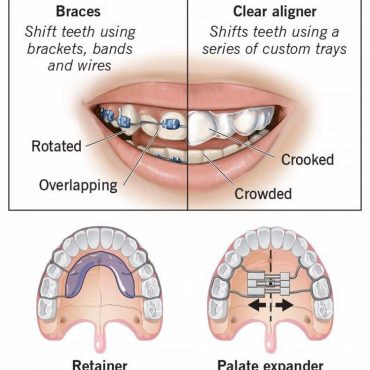
When considering orthodontic treatment, one of the first questions many Australians ask is: “How much do braces cost compared to clear aligners?”
Both options are effective at straightening teeth, but the cost can vary widely depending on your needs, the complexity of treatment, and the type of orthodontic system used.
This guide breaks down the cost of braces vs clear aligners in Australia, what affects pricing, and how to decide which option offers the best value for you, not just upfront, but long term.
Average Cost of Braces in Australia
In Australia, the cost of traditional braces typically ranges from $4,500 to $8,000.
The final price depends on several factors, including:
- The severity of tooth misalignment or bite issues
- Length of treatment
- Type of braces used
- Whether treatment is for a child, teen, or adult
Types of Braces and Their Costs
Metal Braces
- Approx. $4,500 – $7,500
- Most affordable option
- Highly effective for complex cases
Ceramic Braces
- Approx. $6,000 – $9,000
- Less noticeable than metal braces
- Slightly higher cost due to materials
Braces are usually a fixed-price treatment that includes adjustments, reviews, and final retention, which can make costs more predictable over time.
Average Cost of Clear Aligners in Australia
Clear aligner treatment in Australia generally ranges from $5,000 to $9,500, depending on the system and case complexity.
Common Clear Aligner Options
Comprehensive Clear Aligner Treatment
- Approx. $6,000 – $9,500
- Suitable for mild to complex orthodontic cases
- Includes multiple aligner sets and refinements
Short-Term or Limited Aligners
- Approx. $4,000 – $6,500
- Designed for mild crowding or spacing
- Often focused on cosmetic alignment rather than bite correction
Clear aligners tend to cost more when longer treatment times, refinements, or bite corrections are involved.
Why Clear Aligners Often Cost More Than Braces
Many patients are surprised to learn that clear aligners can be more expensive than braces. This is largely due to:
- Digital treatment planning using 3D scans and simulations
- Custom-manufactured aligners replaced every 1–2 weeks
- Advanced software used to plan tooth movement precisely
- Additional refinements that may be required during treatment
While the technology adds to the cost, it also offers benefits in comfort, aesthetics, and convenience.
Cost Comparison: Braces vs Clear Aligners
| Factor | Braces | Clear Aligners |
| Average Cost | $4,500 – $9,000 | $5,000 – $9,500 |
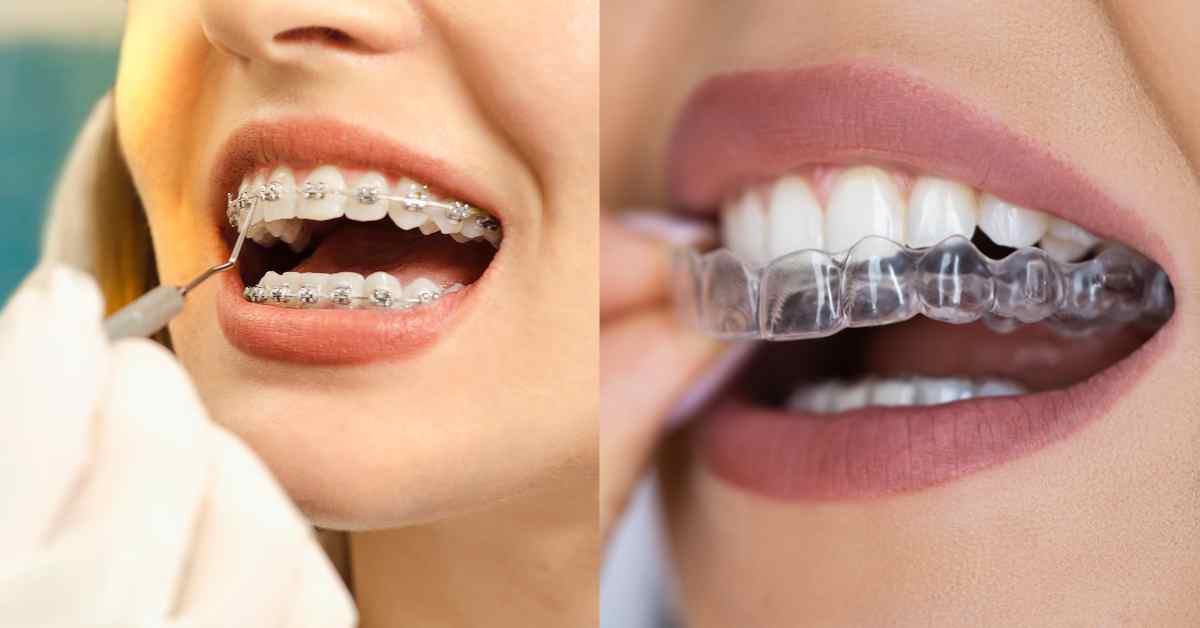
| Visibility | More noticeable | Virtually invisible |
| Removable | No | Yes |
| Suitable for complex cases | Yes | Yes (with planning) |
| Maintenance | Fixed, no removal | Requires patient compliance |
From a purely financial perspective, braces are often the more cost-effective option, especially for complex orthodontic issues. However, value isn’t just about price.
What Else Influences Orthodontic Costs?
Beyond the type of treatment, orthodontic costs in Australia can be influenced by:
- Complexity of tooth movement
- Bite issues (overbite, underbite, crossbite)
- Treatment duration
- Need for extra appliances (expanders, elastics)
- Follow-up and refinement requirements
Two patients choosing the same treatment option may still have very different costs based on these factors.
Are Clear Aligners Worth the Extra Cost?
For many adults and teens, clear aligners are worth the higher price due to:
- Discreet appearance
- Ability to remove aligners for eating and cleaning
- Fewer in-clinic visits in some cases
- Less irritation to gums and cheeks
However, aligners require strong compliance. If aligners are not worn for the recommended 20–22 hours per day, treatment may take longer potentially increasing overall cost.
Which Option Is More Cost-Effective Long Term?
Cost-effectiveness depends on outcomes, not just price.
Braces may be more suitable if:
- You have significant crowding or bite issues
- You want a fixed solution with minimal compliance requirements
- You are looking for a lower upfront cost
Clear aligners may offer better value if:
- Aesthetic appearance is a priority
- You prefer flexibility and comfort
- You can commit to wearing aligners consistently
In both cases, long-term success also depends on wearing retainers after treatment to maintain results.
Does Private Health Insurance Cover Orthodontics?
Many Australian private health funds offer orthodontic extras cover, which may reduce out-of-pocket costs for both braces and clear aligners. Coverage varies by policy and usually includes:
- Annual limits
- Lifetime orthodontic caps
- Waiting periods
It’s important to check with your insurer before starting treatment to understand exactly what is covered.
Choosing between braces and clear aligners isn’t just about comparing prices it’s about finding the right balance between cost, comfort, lifestyle, and long-term results. A personalised orthodontic assessment is the best way to understand which option will be most effective for your smile and provide the best value over time.