The Digital Workflow Behind Modern Dental Implants
Dental implants have become one of the most reliable and long-lasting solutions for replacing missing teeth. While the concept of implants has existed for decades, modern dental technology has significantly improved how implants are planned and placed. One of the biggest advancements is the digital workflow, which allows dentists to plan treatments with greater accuracy and predictability.
Today, digital tools such as 3D scans, computer-guided planning, and digital impressions help dentists design implant treatments that are highly precise and tailored to each patient. This technology-driven approach helps improve comfort, efficiency, and long-term results.
What Is a Digital Dental Implant Workflow?
A digital dental implant workflow refers to the use of advanced digital technologies to plan, design, and place dental implants. Instead of relying solely on traditional impressions and manual measurements, dentists can now use computer-based tools to analyse a patient’s oral structure in detail before the procedure begins.
This process combines several digital technologies, including:
- 3D imaging and cone beam CT (CBCT) scans
- Digital intraoral scanning
- Computer-guided treatment planning software
- 3D modelling of the final tooth restoration
These tools allow dentists to visualise the patient’s jawbone, surrounding teeth, and nerve structures before placing the implant.
Step 1: Digital Scanning and 3D Imaging
The digital workflow begins with detailed imaging of the patient’s mouth and jaw.
Dentists commonly use cone beam CT (CBCT) scans to create a three-dimensional image of the jawbone and surrounding anatomy. This scan provides much more detailed information than traditional dental X-rays, allowing dentists to see bone density, nerve pathways, and the exact position of neighbouring teeth.
In addition to CBCT imaging, dentists may also use intraoral scanners to create digital impressions of the patient’s teeth and gums. These scanners capture precise images without the need for traditional impression materials.
The result is a highly detailed digital model of the patient’s mouth that can be used for treatment planning.
Step 2: Computer-Guided Treatment Planning
Once the scans and digital impressions are captured, specialised implant planning software is used to design the treatment.
Dentists can virtually place the implant within the digital model of the jawbone. This allows them to evaluate factors such as:
- The best position for the implant
- The depth and angle of placement
- The amount and quality of surrounding bone
- The relationship between the implant and nearby teeth
This digital planning stage helps dentists determine the safest and most effective implant position before the actual procedure takes place.
Because the entire treatment can be visualised in advance, the process becomes more predictable and customised for each patient.
Step 3: Creating a Surgical Guide
After the implant position is digitally planned, a surgical guide may be created. This guide is a small custom device that fits over the patient’s teeth or gums during the procedure.
The surgical guide is often produced using 3D printing technology based on the digital treatment plan. It contains precise openings that help direct the dental instruments used during implant placement.
This guide helps the dentist place the implant in the exact position determined during the digital planning phase.
The use of surgical guides can improve accuracy and reduce the margin for error during the procedure.
Step 4: Precise Implant Placement
With the treatment plan and surgical guide prepared, the dental implant procedure can be performed.
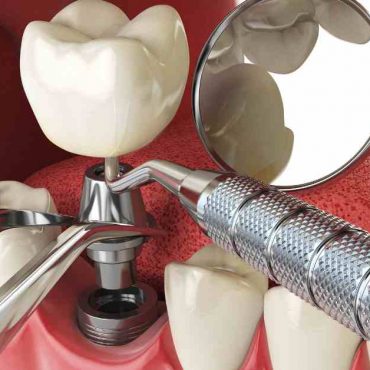
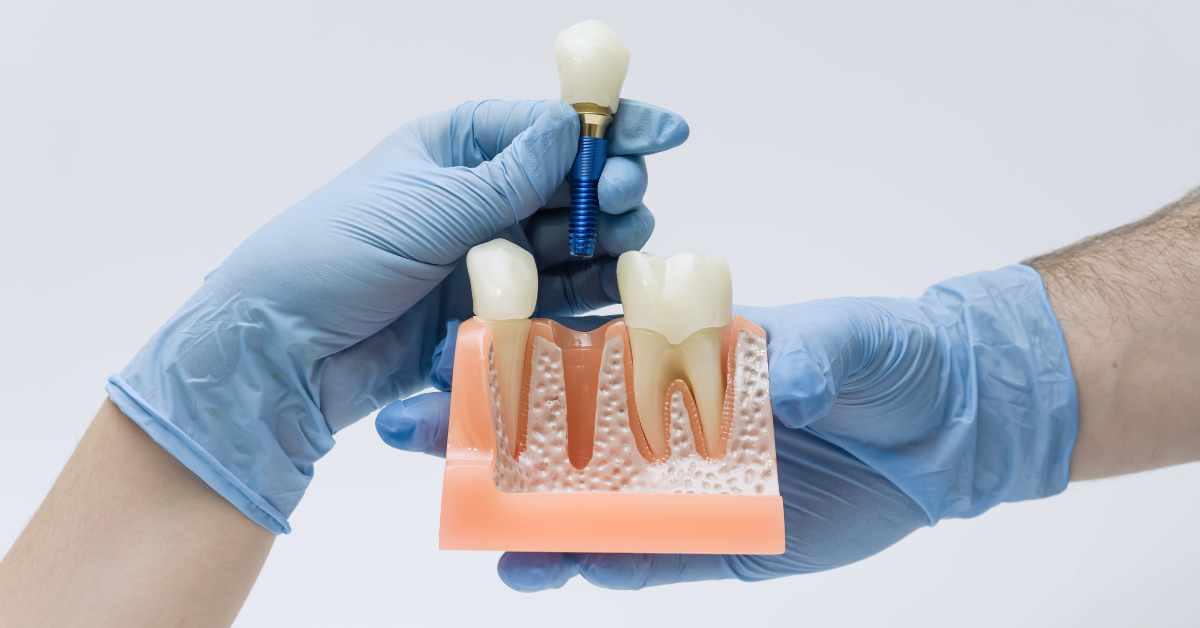
During the procedure, the dentist places the titanium implant into the jawbone at the predetermined location. Because the implant position has already been carefully planned using digital tools, the placement process becomes more controlled and precise.
Once the implant is placed, the surrounding bone gradually integrates with the implant surface through a natural healing process known as osseointegration. This integration allows the implant to function like a natural tooth root.
Step 5: Designing the Final Tooth Restoration
After the implant has healed and fully integrated with the bone, the final stage involves creating the replacement tooth that sits on top of the implant.
Digital impressions and 3D modelling are again used to design the implant crown. Using these digital models, dental laboratories can produce highly accurate restorations that match the colour, shape, and alignment of the surrounding teeth.
Modern materials such as ceramic or zirconia are commonly used for implant crowns because they are durable and natural-looking.
The final restoration is then securely attached to the implant, completing the treatment.
Benefits of a Digital Implant Workflow
Digital technology has improved many aspects of implant dentistry. Some of the key benefits include:
Improved treatment accuracy
Detailed digital planning allows dentists to position implants with greater precision.
Better visualisation of the jawbone
3D imaging provides a clearer understanding of bone structure and nearby anatomical features.
More predictable outcomes
Digital simulations help dentists plan the entire procedure before treatment begins.
Enhanced patient communication
Dentists can show patients digital models of their treatment plan, making it easier to understand the procedure.
Reduced treatment uncertainty
Careful digital planning helps minimise unexpected complications during surgery.
How Digital Technology Improves Patient Confidence
Many patients feel more confident about dental implant treatment when they understand the planning process behind it. Digital workflows allow dentists to explain procedures more clearly using visual models and simulations.
This transparency helps patients see how their implant will be placed and how the final restoration will look. Being able to visualise the treatment can reduce anxiety and make patients feel more comfortable with their care decisions.
Technology Supporting Modern Implant Dentistry
Dental implants remain a highly effective option for replacing missing teeth, but the integration of digital technology has significantly improved the way treatments are planned and delivered. From advanced imaging to computer-guided planning and digital restoration design, the digital workflow allows dentists to approach implant treatment with greater accuracy and confidence.
For patients, this technology helps create a smoother treatment experience while supporting reliable, long-term outcomes for restoring both function and appearance of the smile.
Frequently Asked Questions
Q1: What is a digital dental implant workflow?
A digital dental implant workflow uses advanced technologies like 3D scans, computer-guided planning, and digital impressions to plan, design, and place implants with high precision. It improves accuracy, efficiency, and predictability compared to traditional methods.
Q2: How are 3D scans and CBCT used in implant planning?
Cone beam CT (CBCT) scans and intraoral digital scanners provide detailed images of the jawbone, teeth, and nerves, helping dentists assess bone density, spacing, and anatomy before placing the implant.
Q3: What is a surgical guide and why is it important?
A surgical guide is a custom 3D-printed template that fits over your teeth or gums during implant surgery. It ensures the implant is placed exactly at the planned position, angle, and depth, reducing the risk of errors.
Q4: How is the final tooth restoration designed digitally?
After the implant integrates with the bone, digital impressions and 3D modelling are used to design the crown. This ensures a precise fit, natural appearance, and proper alignment with surrounding teeth.
Q5: What are the main benefits of a digital implant workflow?
- Improved accuracy and implant positioning
- Clear visualisation of jawbone and anatomical structures
- Predictable treatment outcomes
- Enhanced patient understanding and confidence
- Reduced risk of complications
Q6: Does digital technology make implant treatment safer for patients?
Yes. Digital planning allows dentists to anticipate challenges, plan precise placements, and visualise outcomes, which helps minimise surgical risks and supports long-term implant success.
Q7: Can patients see their treatment plan before surgery?
Absolutely. Digital workflows allow dentists to show 3D models and simulations of the planned implant and final crown, helping patients understand the procedure and feel more confident about their treatment.
Q8: Is digital implant treatment suitable for everyone?
Most patients who are candidates for dental implants can benefit from digital planning. It is particularly useful for complex cases, multiple implants, limited bone volume, or full-arch restorations.
Q9: How does the digital workflow improve overall patient experience?
It provides clear explanations, visual simulations, precise treatment, and faster, more comfortable procedures, resulting in a smoother, less stressful implant journey.