Complete Guide to Dental Care for Families

Dental care is one of the most important parts of maintaining your family’s overall health, yet it’s often something people only think about when a problem arises. From your child’s first tooth to maintaining strong, healthy teeth as an adult, every stage of life requires consistent care and attention.
A well-planned family dental routine doesn’t just prevent cavities, it helps avoid long-term complications, reduces treatment costs, and builds lifelong healthy habits. This guide covers everything families need to know about dental care, with clear answers to common questions and practical tips you can follow every day.
What Is Family Dental Care?
Family dental care is a comprehensive approach to oral health that supports every member of the household, from young children to older adults. It focuses on prevention, early diagnosis, and personalised treatment based on age and individual needs.
This includes:
- Routine dental check-ups and professional cleaning
- Daily oral hygiene habits at home
- Monitoring children’s dental development
- Preventive treatments such as fluoride and sealants
- Managing dental issues like cavities, gum disease, and alignment problems
Having one trusted dental clinic for the whole family makes it easier to stay consistent and ensures continuity of care over time.
How Often Should You Visit the Dentist?
Most families should visit the dentist every six months for a check-up and clean. However, this may vary depending on individual oral health.
You may need more frequent visits if:
- You have gum disease or frequent plaque buildup
- You are prone to cavities
- You are undergoing orthodontic or restorative treatment
- You have medical conditions affecting oral health
Regular check-ups help identify problems early, often before they become painful or expensive to treat.
When Should Children Start Dental Visits?
Children should have their first dental visit by the age of one year or within six months of their first tooth appearing.
Early dental visits:
- Help detect early signs of tooth decay
- Provide parents with guidance on feeding and oral care
- Familiarise children with the dental environment
- Reduce fear and anxiety about future visits
Starting early creates a positive relationship with dental care that can last a lifetime.
What Is the Best Daily Dental Routine for Families?
A strong daily routine is the foundation of good oral health. Here’s what every family should follow:
Brushing Twice Daily
- Brush for at least two minutes, morning and night
- Use fluoride toothpaste
- Choose a soft-bristled toothbrush
- Replace your toothbrush every 3–4 months
Parents should supervise young children to ensure proper technique.
Flossing Once a Day
Flossing removes plaque and food particles between teeth, where brushing cannot reach. Skipping flossing increases the risk of cavities and gum disease.
Using Mouthwash (If Recommended)
An antibacterial mouthwash can help reduce bacteria and improve overall oral hygiene, especially for older children and adults.
Staying Hydrated
Drinking water helps wash away food particles and keeps the mouth hydrated. Fluoridated water also strengthens tooth enamel.
What Foods Are Good or Bad for Teeth?
Diet plays a major role in oral health.
Foods That Support Healthy Teeth
- Dairy products (cheese, milk, yogurt)
- Crunchy fruits and vegetables (apples, carrots)
- Nuts and seeds
- Water
Foods to Limit
- Sugary snacks and drinks
- Sticky foods like lollies and dried fruit
- Acidic drinks such as soft drinks and energy drinks
Frequent snacking can increase the risk of tooth decay, even if the food itself isn’t very sugary.
What Are the Most Common Dental Problems in Families?
Understanding common issues helps families take early action.
Tooth Decay
Caused by bacteria that produce acids, leading to cavities. It’s one of the most common problems in both children and adults.
Gum Disease
Begins with gingivitis (red, swollen gums) and can progress to more serious conditions if untreated.
Tooth Sensitivity
Often caused by worn enamel or exposed tooth roots, leading to discomfort when eating or drinking hot or cold items.
Misaligned Teeth
Crooked or crowded teeth can make cleaning difficult and increase the risk of decay and gum problems.
Dental Injuries
Common in children and active individuals, including chipped or knocked-out teeth.
How Can Families Prevent Dental Problems?
Prevention is always better than treatment.
Simple preventive steps include:
- Maintaining a consistent brushing and flossing routine
- Reducing sugar intake
- Drinking plenty of water
- Attending regular dental check-ups
- Using fluoride products
What Are Dental Sealants?
Dental sealants are thin protective coatings applied to the back teeth to prevent cavities. They are especially useful for children, as these teeth are harder to clean.
Are Electric Toothbrushes Worth It?
Electric toothbrushes can be a great option, especially for children or people who struggle with brushing technique.
Benefits include:
- More effective plaque removal
- Built-in timers for proper brushing duration
- Easier handling for children
However, a manual toothbrush can be just as effective when used correctly. Consistency matters more than the type of toothbrush.
What Dental Treatments Might Your Family Need?
Even with excellent care, some treatments may be necessary.
Preventive Care
- Professional cleaning
- Fluoride treatments
- Dental sealants
Restorative Treatments
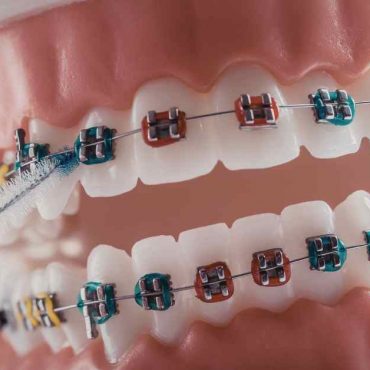
Orthodontic Treatments
- Braces or clear aligners to straighten teeth
Cosmetic Treatments
- Teeth whitening
- Veneers for improving appearance
Your dentist will recommend treatments based on individual needs and long-term oral health goals.
How Does Oral Health Impact Overall Health?
Oral health is closely linked to general health. Poor oral hygiene can allow bacteria to enter the bloodstream, increasing the risk of other health conditions.
Studies have shown links between oral health and:
- Heart disease
- Diabetes complications
- Respiratory infections
Taking care of your teeth and gums supports your overall wellbeing, not just your smile.
How to Help Children Develop Good Dental Habits
Building good habits early is one of the most valuable things parents can do.
Helpful strategies include:
- Making brushing fun with songs or timers
- Using reward charts for consistency
- Brushing together as a family
- Choosing child-friendly toothbrushes
Positive reinforcement works much better than forcing routines.
What Should You Look for in a Family Dentist?
Choosing the right dental clinic makes a big difference.
Look for a dentist who:
- Treats both children and adults
- Focuses on prevention and education
- Uses modern technology
- Provides a comfortable, welcoming environment
- Communicates clearly and patiently
A good family dentist helps reduce anxiety and builds long-term trust.
When Should You See a Dentist Urgently?
Some dental issues require immediate attention.
Seek urgent care if you experience:
- Severe or persistent tooth pain
- Swelling in the face or gums
- A knocked-out or broken tooth
- Signs of infection (pus, fever, bad taste)
Early treatment can prevent serious complications and protect your oral health.
How Can Busy Families Stay Consistent with Dental Care?
Consistency can be challenging, especially with busy schedules. A few simple strategies can make it easier:
- Set fixed times for brushing (morning and night)
- Keep dental supplies easily accessible
- Schedule family dental visits together
- Use reminders or calendar alerts
Small, consistent habits are more effective than occasional effort.
Is Preventive Dental Care Worth It?
Yes, preventive dental care is one of the best investments you can make for your family’s health.
It helps:
- Avoid painful dental problems
- Reduce long-term treatment costs
- Maintain natural teeth for longer
- Improve confidence and quality of life
Preventive care is always simpler, less invasive, and more affordable than treating advanced dental issues.
Caring for your family’s teeth doesn’t have to be complicated. With the right daily habits, regular dental visits, and a focus on prevention, you can avoid most common dental problems and maintain healthy smiles at every stage of life. By making dental care a consistent part of your routine, you’re not just protecting teeth, you’re supporting your family’s overall health, confidence, and wellbeing for years to come.