How Digital Technology Improves Dental Implant Accuracy
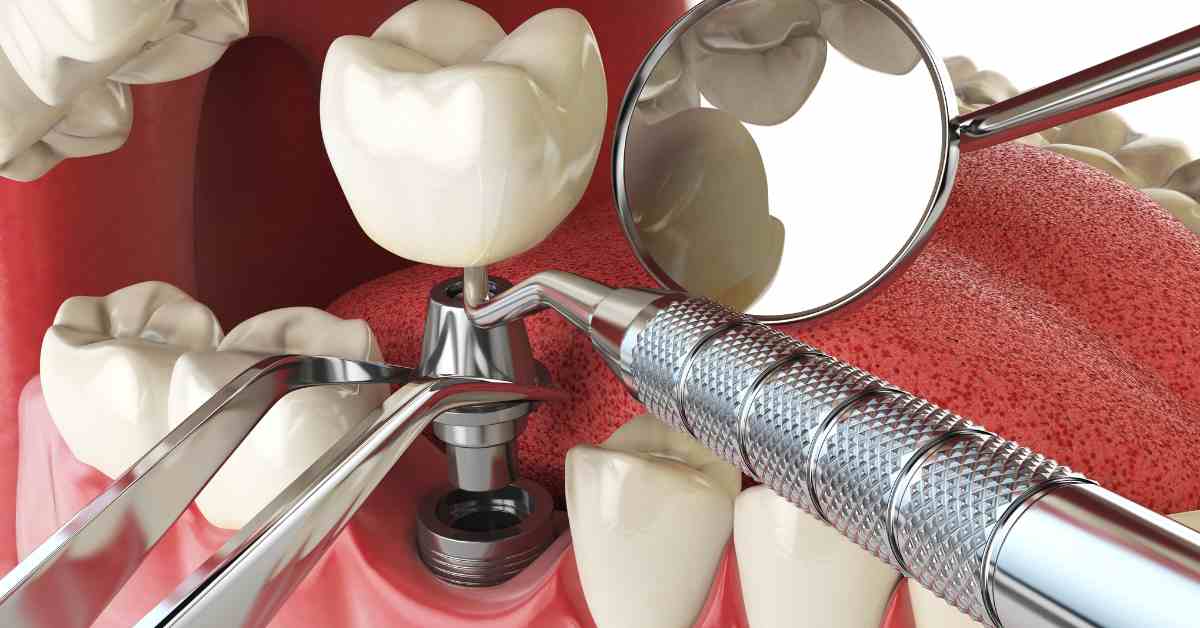
Dental implants are widely considered one of the most reliable long-term solutions for replacing missing teeth. Their success depends heavily on precise planning and placement. Even small variations in angle or positioning can influence comfort, stability, and long-term outcomes.
Modern digital technology has significantly improved the accuracy of dental implant treatment. From 3D imaging to computer-guided surgery, today’s tools allow dentists to plan and place implants with a level of precision that was not possible in the past.
Why Accuracy Matters in Dental Implant Treatment
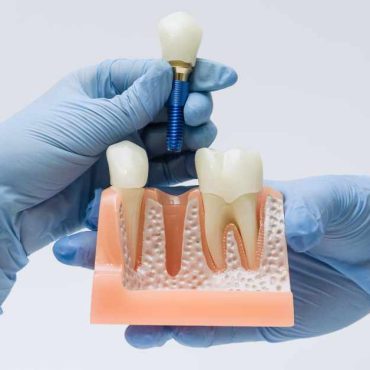
A dental implant is placed directly into the jawbone to act as a replacement tooth root. For the implant to integrate successfully, it must be positioned:
- At the correct depth
- At the correct angle
- With adequate spacing from neighbouring teeth
- In an area with sufficient bone support
Accurate placement helps ensure:
- Long-term implant stability
- Proper bite alignment
- Reduced risk of complications
- A natural-looking final result
Digital tools help clinicians assess these factors before treatment even begins.
1. 3D Cone Beam Imaging (CBCT)
One of the most important advances in implant dentistry is Cone Beam Computed Tomography (CBCT). Unlike traditional 2D X-rays, CBCT produces a three-dimensional image of the teeth, bone, nerves, and surrounding structures.
This allows dentists to:
- Measure bone height and thickness precisely
- Identify the location of nerves and sinus cavities
- Detect underlying anatomical variations
- Plan implant positioning safely
By visualising the jaw in 3D, dentists can reduce uncertainty and avoid critical structures, improving safety and predictability.
2. Digital Intraoral Scanning
Intraoral scanners create a highly detailed 3D model of your teeth and gums without traditional impression materials.
For dental implants, digital scans help:
- Assess spacing between teeth
- Evaluate bite alignment
- Design custom implant restorations
- Improve crown fit and aesthetics
Digital impressions are more comfortable for patients and provide immediate, accurate data for treatment planning and laboratory fabrication.
3. Computer-Guided Implant Planning
One of the most significant improvements in implant accuracy comes from computer-guided planning software.
Using CBCT data combined with digital scans, dentists can:
- Virtually place the implant on a computer before surgery
- Determine the optimal angle and depth
- Plan around anatomical limitations
- Simulate the final crown position
This digital simulation ensures the implant is placed prosthetically driven, meaning the implant is positioned to support the final tooth restoration properly, not just where bone is available.
4. Surgical Guides for Precise Placement
Once the implant position is digitally planned, a custom surgical guide can be created.
A surgical guide is a small, custom-made template that fits over your teeth or gums during the procedure. It directs the implant drill to the exact planned position.
Benefits of surgical guides include:
- Improved placement precision
- Reduced margin of error
- Shorter surgical time
- Greater predictability
By transferring digital planning directly to the surgical phase, guided implant placement improves consistency and safety.
5. Improved Communication with Dental Laboratories
Digital technology also enhances collaboration between the dental clinic and laboratory.
Instead of sending physical moulds, digital files can be securely transmitted to technicians. This allows for:
- Accurate design of implant crowns
- Better shade matching
- Precise contouring and bite alignment
- Reduced need for remakes or adjustments
This digital workflow improves the overall efficiency and accuracy of the final restoration.
6. Enhanced Patient Understanding
Digital implant planning also improves patient communication. Dentists can show:
- 3D images of bone and implant positioning
- Visual simulations of treatment
- Before-and-after projections
This transparency helps patients better understand the procedure and feel more confident about their treatment plan.
Does Digital Technology Make Dental Implants Safer?
Digital technology does not replace clinical skill, but it enhances it. When used appropriately, digital tools can:
- Reduce surgical risks
- Improve implant positioning accuracy
- Decrease treatment complications
- Support better long-term outcomes
However, treatment success still depends on factors such as:
- Overall oral health
- Gum condition
- Bone quality
- Proper aftercare
A comprehensive assessment is always required before implant placement.
Are Digital Dental Implants Suitable for Everyone?
Most patients who are candidates for dental implants can benefit from digital planning. It is particularly useful for:
- Complex cases
- Limited bone volume
- Multiple implants
- Full-arch restorations
Your dentist will determine the most appropriate approach based on your individual clinical situation.
The Future of Implant Dentistry
Digital dentistry continues to evolve. Emerging technologies such as artificial intelligence-assisted planning and improved imaging resolution are further refining implant precision.
The integration of scanning, imaging, planning software, and guided surgery represents a shift toward more predictable, minimally invasive implant procedures. As digital workflows become more advanced, patients benefit from greater comfort, improved safety, and more reliable long-term outcomes.
Dental implant treatment today is far more precise than it was even a decade ago. Through 3D imaging, digital scanning, and computer-guided placement, technology now supports every stage of the process, from diagnosis to final restoration, helping ensure implants are placed accurately, safely, and in a way that supports long-term oral health.
Frequently Asked Questions
Q1: How does digital technology improve dental implant accuracy?
Digital tools like 3D CBCT scans, intraoral scanning, and computer-guided planning allow dentists to precisely measure bone, identify nerves, and plan the exact position, angle, and depth of implants before surgery.
Q2: What is a surgical guide and why is it used?
A surgical guide is a custom-made template that fits over your teeth or gums during implant placement. It directs the drill to the pre-planned position, improving precision, reducing errors, and shortening surgical time.
Q3: Are digital dental implants safer than traditional methods?
Digital planning enhances safety by reducing surgical risks, ensuring correct implant placement, and decreasing complications. However, overall success still depends on oral health, bone quality, and proper aftercare.
Q4: Who can benefit from digitally planned dental implants?
Most dental implant candidates can benefit, especially those with complex cases, limited bone volume, multiple implants, or full-arch restorations. Your dentist will determine suitability based on your individual needs.
Q5: How does digital technology help with implant restorations?
Digital scans can be sent directly to dental labs for accurate crown design, better shade matching, and precise contouring, reducing the need for remakes and improving overall aesthetics and fit.
Q6: Where can I get digitally guided dental implants in Chatswood?
Dental clinics in Chatswood, including Sunrise Dental, offer digitally planned implant procedures. They provide advanced imaging, guided surgery, and personalised treatment plans for optimal results.